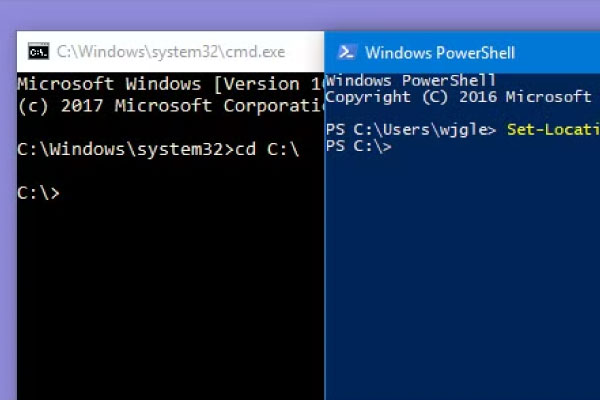
A recently announced security issue in Windows PowerShell—identified as CVE-2025-54100—introduces a notable threat to a broad range of Windows operating systems. Disclosed publicly on December 9, 2025, the vulnerability impacts Windows 10, Windows 11, and Windows Server versions dating back to 2008. Microsoft classified the flaw as Important, explaining that PowerShell may incorrectly process certain special characters, potentially allowing malicious commands to be injected during execution. Although Microsoft currently considers real-world exploitation less probable, the public availability of details increases the overall exposure, particularly in environments with weak local access controls. The core issue stems from insufficient sanitization of special elements within PowerShell commands. An attacker who already has local access could exploit this weakness by convincing a user to run a harmful script or open a malicious file, resulting in arbitrary code execution. Microsoft warns that a successful attack could enable significant follow-on effects, such as privilege escalation, lateral movement inside a network, or full takeover of the affected system. The vulnerability aligns with CWE-77, which highlights risks associated with improper command injection handling and flaws in command parsing logic. Both modern and legacy Windows systems are impacted, including Windows 11 24H2/25H2 builds and long-standing Windows Server installations. Microsoft has issued updates under several patch identifiers—KB5072033, KB5074204, KB5071546, and KB5071544. Some of these updates introduce new protective behaviors; for instance, the Invoke-WebRequest cmdlet now presents warning prompts unless the UseBasicParsing parameter is specified, helping prevent accidental execution of unsafe web content. Organizations should ensure timely deployment of all relevant patches and perform reboots where necessary. Beyond applying updates, security teams are encouraged to follow the PowerShell hardening recommendations detailed in KB5074596, reduce script execution privileges, and monitor systems for anomalous local command activity. Additional safeguards include enabling detailed PowerShell logging, restricting access to administrative shells, validating scripts before use, and leveraging application control technologies to limit potential command injection pathways.
Cybersecurity researchers have uncovered four critical vulnerabilities in OpenClaw that can be chained together to enable data theft, privilege escalation, and long-term persistenc...
OpenAI confirmed that two employee devices were compromised as part of a broader supply chain attack involving malicious packages distributed through the TanStack JavaScript ecosys...
Gunra Ransomware has emerged as a significant cyber threat targeting Windows-based enterprise environments across multiple industries, including manufacturing, pharmaceuticals, and...