
7 Common Reasons Companies Fail Their ISO 27001 Audit (And How to Avoid Them)
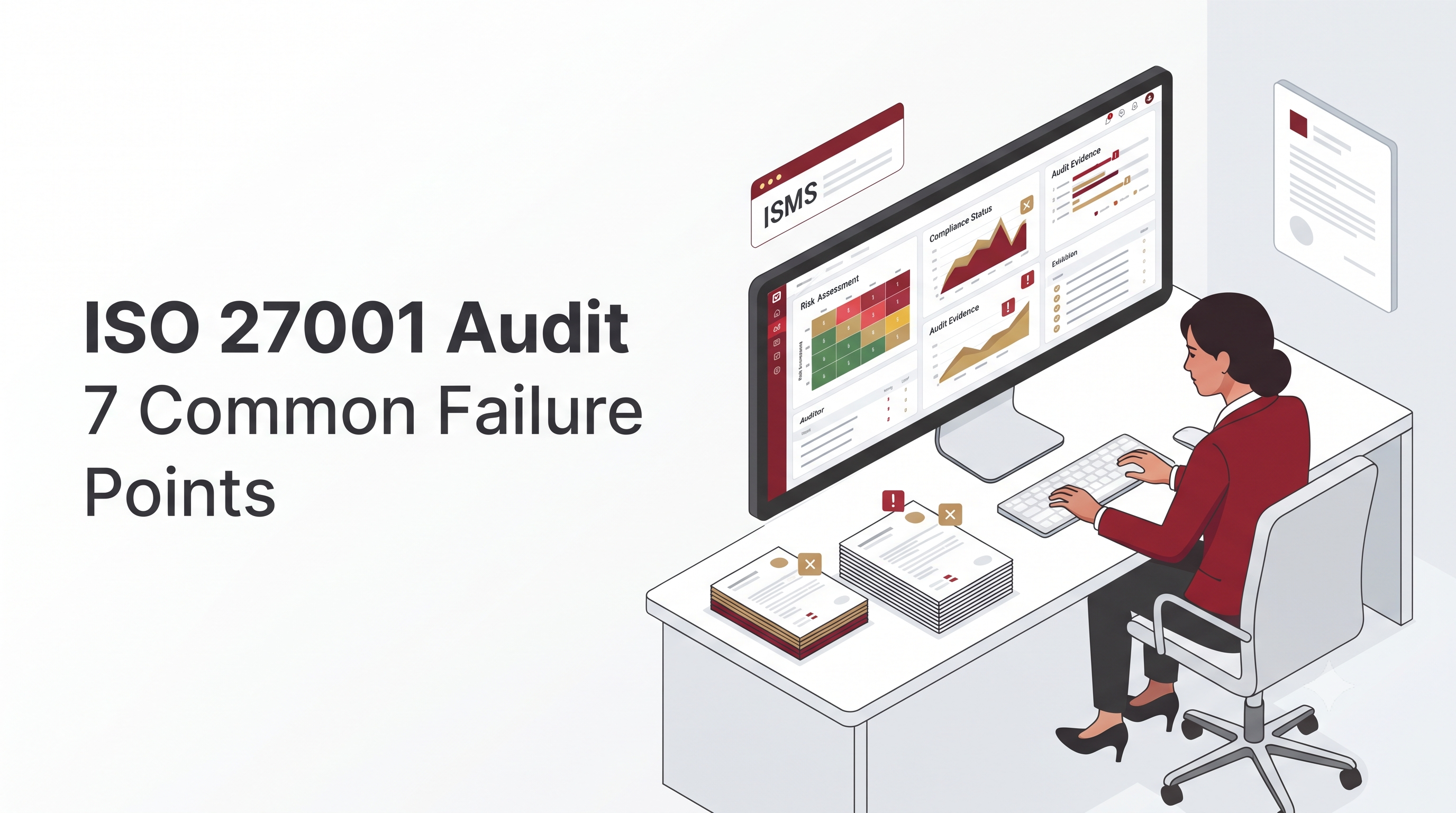
ISO 27001 certification helps organizations demonstrate a structured approach to information security. Audit findings can arise when an Information Security Management System (ISMS) is incomplete, poorly documented, or not consistently followed in practice. Understanding common challenges can help organizations prepare more effectively for ISO/IEC 27001:2022 certification.
What Can Lead to ISO 27001 Audit Findings?
An ISO 27001 audit evaluates whether an organization’s ISMS meets the applicable requirements and operates effectively within its defined scope. Findings vary in severity and must be addressed according to the certification body’s process and applicable requirements.
7 Common ISO 27001 Audit Challenges
- Incomplete risk assessment: Risks may not be assessed consistently or addressed through suitable treatment decisions.
- Policies that do not match actual practices: Documentation may describe processes that employees do not follow consistently.
- Insufficient management oversight: Leadership may not adequately review ISMS performance, risks, and improvement needs.
- Inadequate internal audits: Internal audits may not sufficiently evaluate whether the ISMS meets requirements.
- Access management gaps: User permissions may not be reviewed or updated appropriately.
- Third-party security risks: Supplier and service-provider risks may not be adequately assessed or monitored.
- Incomplete or unavailable evidence: Organizations may struggle to demonstrate that relevant security activities are being carried out.
How Can Organizations Improve ISO 27001 Audit Readiness?
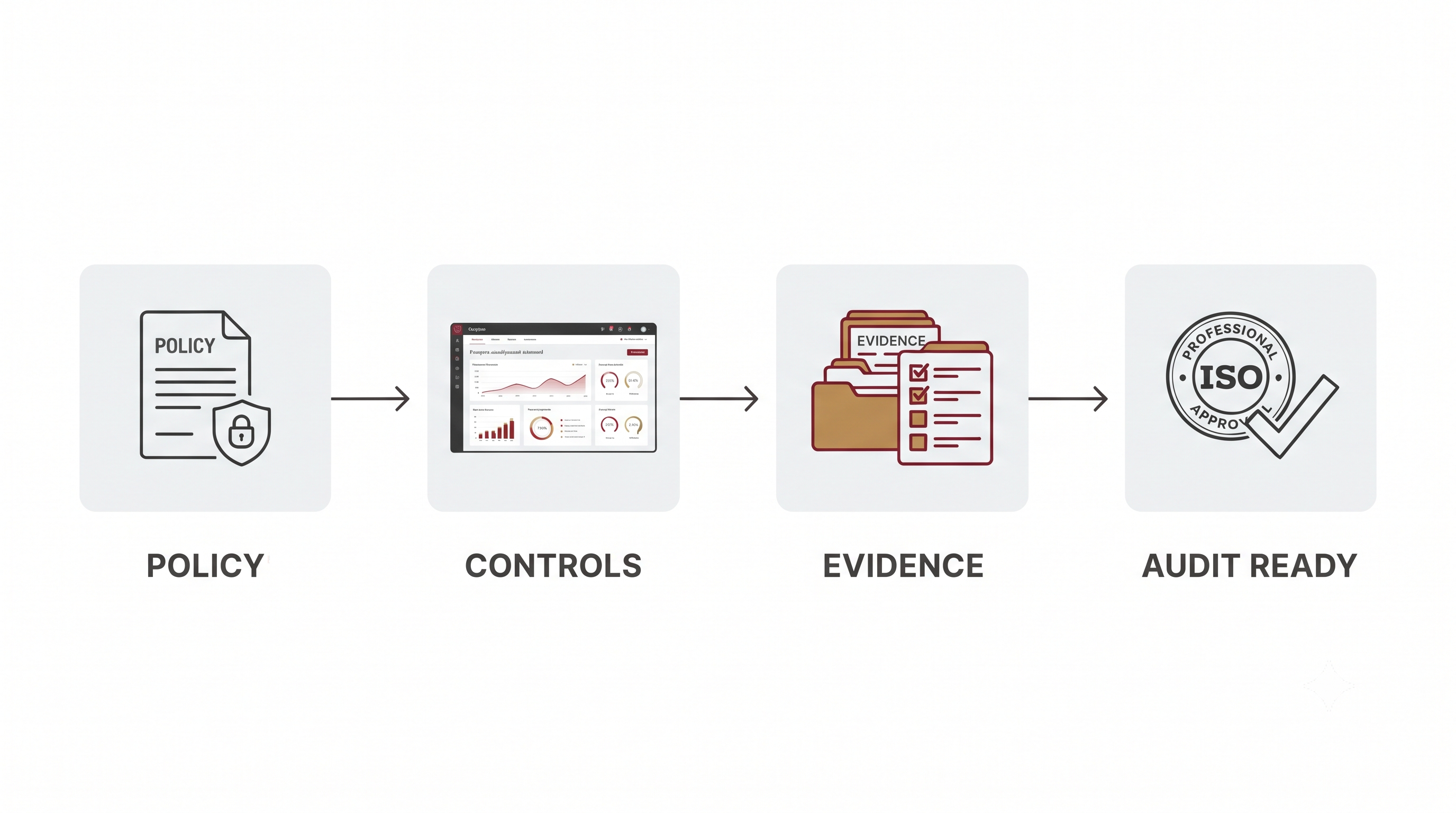
Start by reviewing your ISMS scope, risk assessment, relevant policies, and supporting evidence. Confirm that responsibilities are clear, employees understand the practices relevant to their roles, and internal reviews identify gaps before the external certification audit. A readiness assessment can help prioritize improvements based on your organization’s circumstances.
How Varutra Can Help
Varutra supports organizations preparing for ISO 27001 compliance by helping assess readiness, identify gaps, and plan appropriate remediation. Support can be tailored to your ISMS scope, existing controls, and business requirements.
Preparing for an ISO 27001 audit? Contact Varutra to discuss your certification readiness and compliance goals.
Frequently Asked Questions About ISO 27001 Audits
1. Why do organizations fail an ISO 27001 audit?
Common challenges include incomplete risk assessments, policies that do not reflect actual practices, insufficient internal audits, limited management oversight, and missing evidence. The relevance of each issue depends on the organization’s ISMS and audit scope.
2. What is the difference between an ISO 27001 Stage 1 and Stage 2 audit?
Stage 1 generally reviews the ISMS design, scope, and readiness for the next stage. Stage 2 evaluates whether the management system has been implemented and is operating effectively against the applicable requirements.
3. What happens if an ISO 27001 audit identifies a nonconformity?
The organization is expected to address the finding through the certification body’s corrective-action process. The required response and any follow-up depend on the nature and severity of the nonconformity and the applicable certification rules.
4. How can a company prepare for an ISO 27001 audit?
Review the ISMS scope, risk assessment, relevant documentation, internal audit results, management reviews, and evidence that controls operate as intended. Ensure personnel understand the processes relevant to their responsibilities.
5. Can an ISO 27001 consultant help improve audit readiness?
Yes. A consultant can help assess the current state of the ISMS, identify gaps, clarify priorities, and support preparation for certification. The organization remains responsible for implementing and maintaining its management system.