



NoSQL Injection Vulnerability
In this blog, we will be discussing the NoSQL Injection Vulnerability and its exploitations scenarios. Before getting into the details of NoSQL injections, let us first see the difference between SQL (Structured Query Language) and NoSQL (Not Only Structured Query Language) databases. There are multiple…
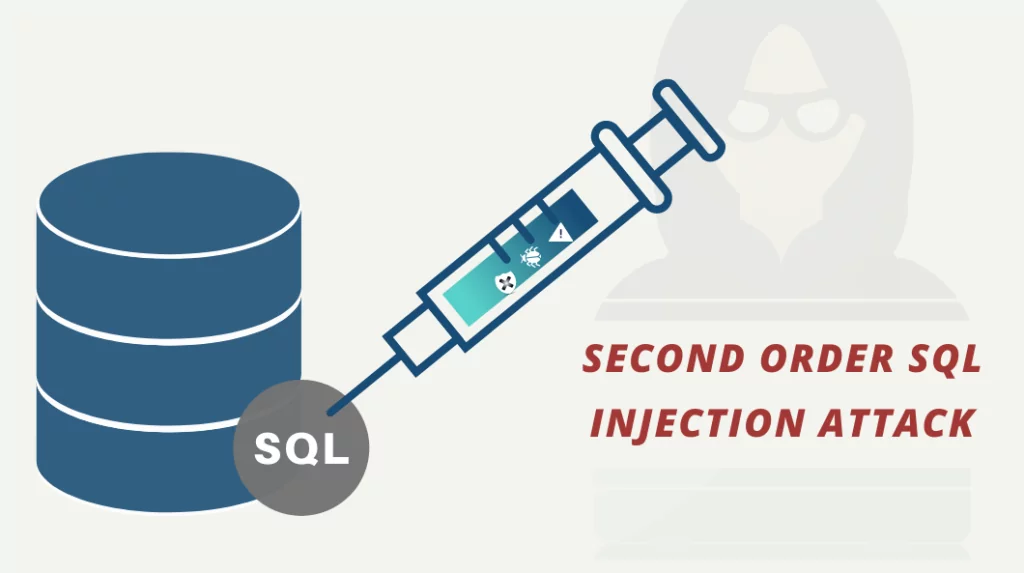
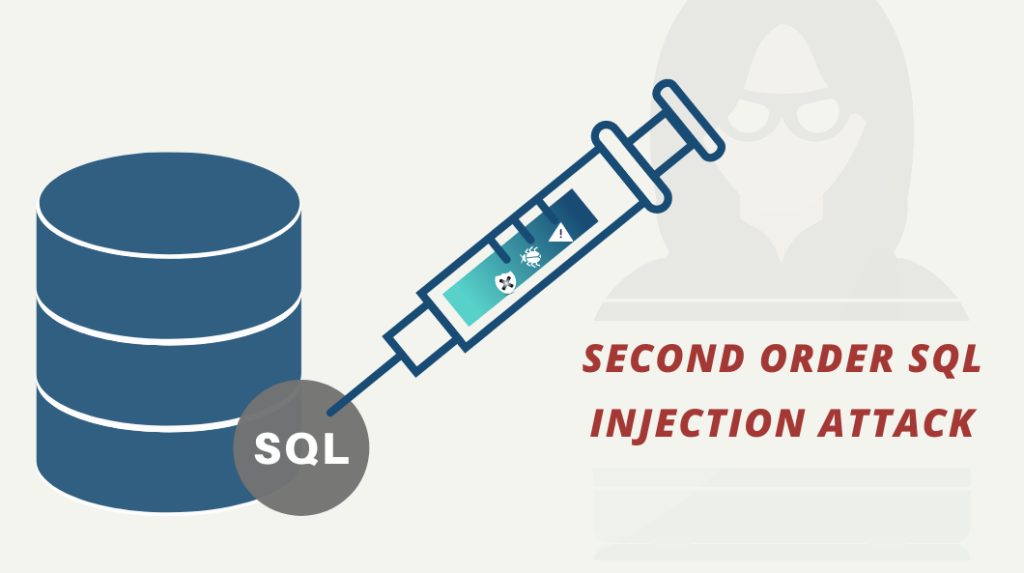
SECOND ORDER SQL INJECTION ATTACK
Second Order SQL Injection Attack: Second Order SQL Injection Attack are those which are not widely discussed. Important to know that these cannot be detected by tools or via scanning. One needs to understand the application logic and flow of the applications to detect this…
Open Redirect
What is Open Redirect? An open redirect is a security flaw in an application or a web page that causes URLs to fail to authenticate properly. The open redirect is a failure in this phase that allows attackers to direct users to malicious websites of…
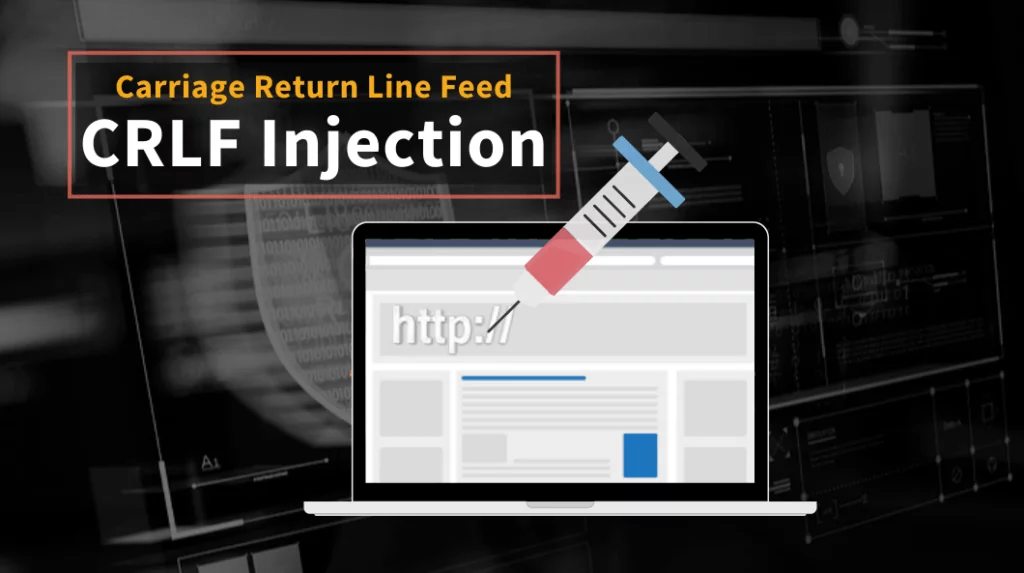
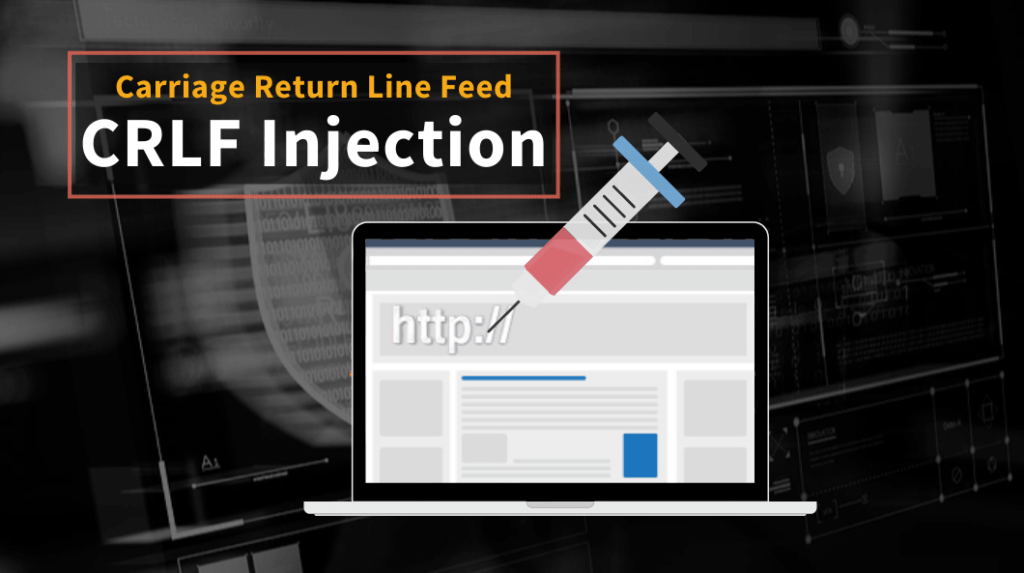
CRLF Injection
Before going into details on what and how to find and perform CRLF injection and what are the measure one should take from this to happen, we will first get to know a little bit about what exactly is CRLF (Carriage Return Line Feed) and…
HTTP Parameter Pollution
The parameter enables pages to load data from the back-end e.g., ID, search query. They make websites more interactive to the back-end as well as make them easy to use for visitors. Multiple parameters can be added with the help of special chars like (&,…

Web Cache Poisoning – Through Host Header Injection
Web cache poisoning is an advanced hacking technique through which an attacker can exploit the pattern or behavior of a web cache and server. But before comprehending what is web cache poisoning, we should understand web cache and its vulnerabilities. This will help us in…


Apache Struts-2 Exploited to Remote Code Execution
This blog is to describe my finding on a web-based application which is a very well-known vulnerability found on Apache Struts-2 Remote Code Execution (RCE). What is Apache Struts-2? Apache Struts is one of the popular open-source frameworks that are used mainly by banks…


Vulnerabilities Related to SAML [Security Assertion Markup Language] – Part 1
In this blog, we are going to discuss about what is the SAML (Security Assertion Markup Language) and how it works as well as we are going to discuss the Security Assertion Markup Language Vulnerabilities. In the second part of this blog we will see…


Microsoft Zero Day – VCard Vulnerability
In this blog we are going to discuss about Microsoft Zero Day – VCard Vulnerability For Windows operating system. Introduction Microsoft Zero Day – VCard Vulnerability: A zero day vulnerability has been discovered and reported in the Microsoft’s Windows operating system. Under a certain scenario…
Advisory | Microsoft Zero Day – Windows Task Scheduler Local Privilege Escalation Vulnerability
Introduction to Microsoft Zero Day Vulnerability A previously unknown zero day vulnerability has been disclosed in the Microsoft’s Windows operating system that could help a local user or malicious program to obtain system privileges on the targeted machine. The vulnerability is a privilege escalation issue…