



Access Control Vulnerabilities
This blog aims to understand and demonstrate different access control vulnerabilities. The flow here will start with the theoretical explanation of what access control is and how different types of access controls are implemented. Then we will gradually move on to a practical demonstration of…
How to Simplify Security with Cybersecurity Mesh Architecture (CSMA)?
Due to the trend of digital acceleration and different workforce options (hybrid and work from anywhere), and the fact that so many employees are now operating outside the company, the traditional network infrastructure is now a thing of the past. This transformation has given the…
Exploit Kits: Attackers Preferred Exploitation Tools
Exploit Kits: Overview Cybercrime was once the domain of a tiny handful of people with excellent technical skills who leveraged their abilities for malicious acts. However, cybercrime had grown now into a multibillion-dollar business, with threat actors profiting from the sale of malware, ransomware, and…
Using SecLists for Penetration Testing
Introduction to SecLists Seclists is something that comes very handy to a pen tester. The simple reason is, it has a collection of all the wordlist lists that is related to different technologies, web servers, and web shells that can be helpful while performing penetration…


Application Security: Risks and Best Practices
Applications play a crucial role in our lives as we use them for various useful purposes, ranging from shopping, interacting with people, managing finances, etc. Applications hold sensitive personal information (SPI), including our credit/debit card details, personal characteristic information, addresses, and so on. This makes…
Security Threat Intelligence Standards – STIX and TAXII
Introduction: Security Threat Intelligence Standards (STIX and TAXII) make day-to-day SOC operations go uninterrupted with a shared strategy that provides a collaborative response to cybersecurity threats. MITRE is one such organization that collaborates with industry and government institutions to develop a common approach towards cybersecurity…

Code Injection Vulnerabilities
Introduction to Code Injection Vulnerabilities Code injection is an attack where the attacker tries to inject a code that can be interpreted and executed by the application. Poor handling of data is responsible for the occurrence of this exploitation. It also means that when the…
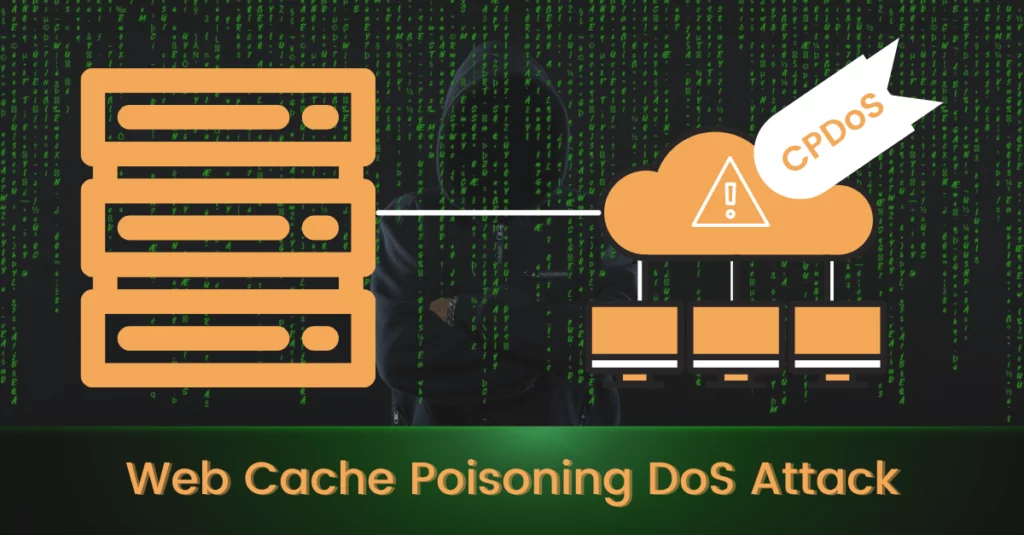
Web Cache Poisoning DoS Attack
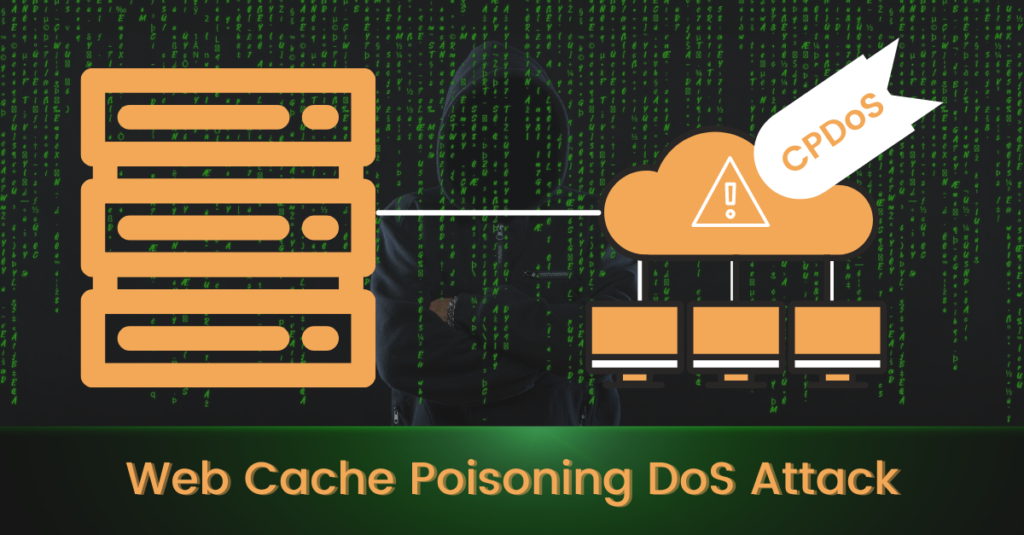
The Web Cache Poisoning DoS Attack, also known as CPDoS. It is a type of DoS attack that primarily relies on the webserver’s cache mechanism. Overview As we can see that the modern web application’s HTTP servers consist of Front-end and Back-end servers. Front-end…

NoSQL Injection Vulnerability
In this blog, we will be discussing the NoSQL Injection Vulnerability and its exploitations scenarios. Before getting into the details of NoSQL injections, let us first see the difference between SQL (Structured Query Language) and NoSQL (Not Only Structured Query Language) databases. There are multiple…


Hibernate Query Language (HQL) Injection
HQL is the abbreviation for Hibernate Query Language. Hibernate can be classified as ORM or Object-Relational Mapping. It maps class definitions with similar SQL tables that are present within the source code. It is an object-oriented query language that is similar to SQL. However, it works…